26 January 2026
The Smart Boiler: How AI Can Lower Your Energy Bill
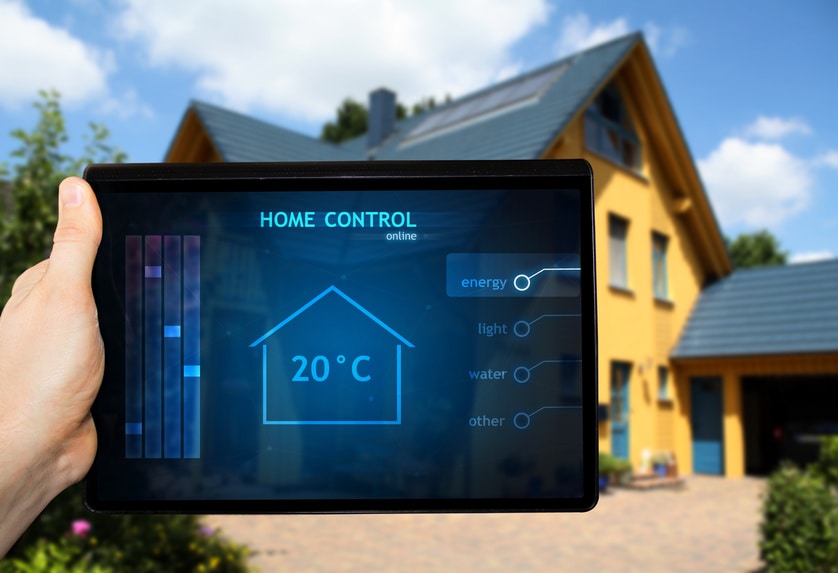
Today's connected boilers do far more than respond to a thermostat. Equipped with AI and IoT sensors, they build a thermal profile of your home — learning how quickly rooms lose heat, which areas need the most energy, and how outdoor conditions affect comfort indoors. Instead of reacting to cold, a smart system anticipates it.
From remote control to genuine prediction
Early 'smart' heating simply let you switch the boiler on from your phone. Today's systems go much further, using machine learning to study weather forecasts, occupancy patterns and even dynamic electricity pricing to decide the most efficient moment to heat your home.
Where the savings actually come from
Weather-compensated control now looks hours or days ahead, not just at the current temperature — pre-heating gently before a cold snap instead of reacting sharply once it arrives.
Occupancy learning lets the system recognise your routine, lowering the temperature while the house is empty and restoring comfort just before you're back — without you touching a dial.
For homes with electric or hybrid heating, tariff-aware scheduling shifts heavy energy use to the cheapest hours, and continuous self-diagnostics can flag a failing pump or clogged filter long before it becomes a costly breakdown.
Why installation quality still decides the outcome
None of this intelligence matters if the underlying system is set up incorrectly. Wrong boiler sizing, poor sensor placement or an unbalanced pipe network will undermine even the smartest algorithm — and in a fully uninsulated home, no software can outsmart basic physics.
This is exactly why the installation and commissioning of AI-connected heating systems belongs in the hands of certified engineers. A correctly installed smart boiler can realistically cut annual heating costs by 15–25%; an incorrectly installed one simply wastes its potential.